Monday, 19 November 2012

1996-1999, Part 2: mud, sweat and tears

Those of you who've been reading this blog over the months will no doubt have formed the opinion that I'm very much my own man when it comes to gig-going. "That guy," you'll have said to yourselves, "If he wants to go and see Jacob's Mouse play at the Joiners Arms, he just bloody well does, doesn't he?" And indeed, I did.

But through '97 and '98 I started going to shows because other people wanted to go, namely Steph and my workmates. It's just good form to accompany your other half to entertainments of their choosing, while a shared passion for music meant that gigs helped me bond with my new colleagues.

One of the hot new bands of the old radar back then was Placebo. They combined qualities from US alternative bands with a decadent, very European feel, and their ostentatiously androgynous image and lyrics were splendidly primed and timed to wind up the Loaded lads. Steph, Simon and I were all into their first album; I'd heard their first few singles while still at Uni, and the full-length came out in summer '96, the season which saw me and Steph get together and Simon move back from Canada. Where our tastes didn't always converge - I had to beg our friend Rupert to take back the copy of Jagged Little Pill he'd lent us when the other two played it to death - this was definitely an album we could all agree on.
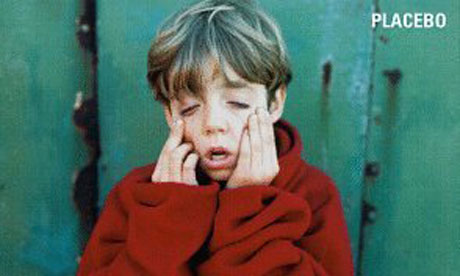

Obviously, Molko's vocals could put people off - his high-pitched Transatlantic accent would never be to everyone's taste. What people often overlook is the quality of his guitar playing, which took influences from the underground (particularly Sonic Youth) and twisted them into mainstream-friendly shapes. They went off the boil pretty much straight after that debut - the deviant nursery rhyme of Pure Morning, the first tune off the next album, proved rather trying - but I was happy to go and see them at Southampton Guildhall. In comparison, I was rather less convinced by the idea of going to see Bush there.

When their debut album, Sixteen Stone, came out, I quickly wrote Bush off as a bunch of Nirvana copyists who'd almost entirely missed the point of Nirvana. Sure, we all know how the latter story ended, but for me their humour, goofiness and ear for pop were all as important to their identity as the angst and depression. Not so with Bush, essentially the UK outpost of the dreary post-grunge movement which included similarly uninspiring American counterparts like Live and Creed.

Bush were playing Southampton in support of their second album, Razorblade Suitcase. If Razorblade Suitcase had been the name of a band on Too Pure or Clawfist getting played by John Peel in 1993, I would have thought that was a pretty cool name. As a title for a second album by grunge arrivistes Bush, it was obviously terrible. However, I was intrigued by the fact that Steve Albini had produced - sorry, "recorded" - it. As well as playing in Big Black, Rapeman and Shellac, Albini had recorded some of my favourite albums, like PJ Harvey's Rid Of Me, Pod by The Breeders, Sea Monsters by The Wedding Present, pretty much everything by The Jesus Lizard - oh, and Nirvana's In Utero. Obviously, his involvement was just another job, not his personal endorsement, but his techniques still made this a more interesting sounding record, and I grudgingly enjoyed their show at The Guildhall.

Let's move on to my workmates. I swiftly realised that they were a bunch of misfits, outsiders, cynics and eccentrics. In other words: my kind of people. After 16 years, working in five different stores in four different towns alongside several hundred colleagues, I'm gratified to say that this has generally remained the case.

With no retail experience, I was cast into the stockroom, where I would spend the months leading up to Christmas 1996 stickering up multiple copies of Spice by The Spice Girls, Blue Is The Colour by The Beautiful South and A Different Beat by Boyzone. My immediate boss was Wayne, whose attitude towards his own position can be summed up by his reaction when I introduced him to Steph as my boss. "I'm not his boss!" he quickly cried. Nevertheless, I'm sure his support helped me get kept on after Christmas, and he became a good friend. In March '97, he drove me, Steph and Simon over to Portsmouth to go and see 3 Colours Red.

This bunch of rockers - or Britrockers, as we were expected to call them in those days - were frequently described as a baby Wildhearts, due both to similarities in their sound and the presence of co-frontman Chris McCormack, brother of the knee-dislocating, disaster-prone 'hearts bassist. Less accurately, label boss Alan McGee, no stranger to hyperbole, described them as the best rock band since the Sex Pistols, or something similar.


Obviously, they weren't, but they made for a pretty decent night out. In support were Hurricane #1, a new band who I was excited to learn featured Andy Bell out of shoegazer faves Ride. Caught up in the moment of discovering an exciting new band, none of us noticed that they only had one good song (Step Into My World), and when they played a headline show at The Joiners not too long afterwards we made sure we were there.


It's funny, now that Eels are viewed as a cult-ish solo artist beloved of Mojo and Uncut readers, to think that there was a time when they were a HOT! NEW! BAND! Back in spring '97, they seemed to occupy a space somewhere between the playful invention of Beck and the mordant gallows humour of the depressed, with two Top 10 singles under their belts courtesy of Novocaine For The Soul and Susan's House. Steph, myself, possibly Simon and a bunch of people from work (definitely Wayne, and I think Beaka, Kirsty, Paula...maybe Phil?) made a pilgrimage to the Astoria to see them, the first time I'd gone to London for a show in several years. It wasn't the first time Eels had played in London, but it still felt like we were getting in at the start of something. The trip up to the smoke had been largely at Wayne and Paula's insistence - they both had a good radar for HOT! NEW! BANDS! - but everyone dug the show and the album Beautiful Freak became a workplace favourite. They've made harder, weirder, more mature and more Tom Waitsy albums since, but none have quite had the pop charm of that first record.


The workplace also allowed me access to a few shows I wouldn't have otherwise attended. Unfortunately, this included going to see Space. My colleague Darren had got himself on the guestlist for their gig at the Guildhall, and couldn't go, so suggested I "become" Darren for the evening. I'm not sure why I went - I'd never been a fan of their novelty indie pop and had even slagged them off during a short-lived stint DJing on a radio station based on Southampton's Marlands shopping centre (god, that's a whole other story). They'd also been in the shop doing a signing that day and had seemed like a humourless bunch. But I think Simon quite liked them, and I could get him in as a +1, so we went. And it was awful, the lowest of many low points coming when singer Tommy Scott stood on a podium (he was quite short) to duet with a giant video of my old chum Cerys Matthews on The Ballad Of Tom Jones. Sometimes, when people ask me about the worst gig I've ever been to, Space come to mind.

We used to have regular quizzes in staff meetings, and being something a smart-arse (and this being back in the day when music was still the primary concern of the shop) I would sometimes win. As this was also the time when promotional goodies and freebies flowed like rainwater in a British summer, I found myself on the receiving end of a few decent prizes. I remember being awarded a promo of Daft Punk's Homework album, which Steph and Simon did not get on with at all. They used to compare Da Funk to a car alarm, the non-electronic music fan heathens. Thinking about it, I should have played it as much as they'd played Jagged Little Pill the summer before.


I also scored a couple of tickets, the first being a trip to see The Orb at Portsmouth Pyramids. I hadn't seen them since what was  - for me, at least - a mind-expanding turn at Glastonbury '93, and my old school mate Simon was currently living at his folks' place in Cosham (a suburb of Pompey, I guess), so it sounded like a great idea for a night out.

However, I hadn't counted on the Super Strength Strongbow.

Simon had very generously procured a four-pack of said beverage - but he was driving. It was, therefore, my duty to neck three of these before we went to the Pyramids. I think you can probably see where we're heading. We arrived at the venue while the warm-up DJ was playing. I latterly discovered that this might have been Witchman, but, frankly, I have no fucking clue. Before The Orb even took to the stage, I was so hammered that I was begging Simon to take me home. To his eternal credit, he drove me all the way back to Southampton, while I proceeded to vomit over myself in his car. On pulling up outside our place, I refused to believe that I was actually home - by this point I was angrily demanding to be taken back. Simon had to get the other Simon out of bed to convince me that I was in fact in the right place. Getting out of the car, I tripped over my seat belt and suffered a minor kerb/head interface. And so it was that when Steph returned from her own night out, expecting me to have stayed over in Portsmouth, she found me passed out in the bed covered in blood and vomit. The next day, I told everyone at work that the gig had been great, ashamed that I'd squandered my free tickets.

2012 update: I'm still friends with Simon. I don't go out with Steph any more. Super Strength Strongbow is no longer on the market.

Before we get to my next - rather more responsibly handled - work freebie, I should mention that Steph, Simon and I moved house in Spring '97. Factors in this decision included our lack of a garden and the concern that our landlord might not have been particularly great, this latter point emphasised by the fact that for months we'd had to avoid certain parts of the kitchen floor (right outside Simon's room) because there were no floorboards and we would have found ourselves in the downstairs flat. So we legged it to a house which we would share with Wayne and our friend Steve, who went out with Steph's workmate Louise. (These last two might be the only couple I know from those days who've actually lasted the distance, no doubt helped by the fact that they're both bloody lovely). There are a couple of photos somewhere of this original line-up of the house, with us all sat on the floor larking about like we're doing a promo shoot for some down-at-heel UK remake of Friends, or perhaps a version of This Life where none of the characters had either money or any understanding of the concept of career aspirations. We'd moved into Northam, known locally as one of the town's dodgiest areas, but I personally never got any hassle on our street. OK, Steve's car got broken into on the first night, but he had left a bunch of valuables on the back seat. And a gormless fellow continually knocked on the door to ask whether the house's previous occupant was in, never remembering that we'd already told him umpteen times that he'd moved out. I guess he was still getting his drugs from somewhere. And there was Hell's Angels graffiti opposite our house, but that was on the other side of the railway line. But essentially, this area really wasn't as dodgy as it was made out to be, and I'd carry on living in the house, with an ever-changing roll call of housemates, until I moved out of Southampton six years later.

My uni mate Gail helped us out by giving us a lift to pick up a couple of kittens (another reason we'd wanted to move), and to say thanks I invited her along to my next quiz-won freebie: Tribal Gathering '97. Well, I wasn't going to take Daft Punk haters Steph and Simon, and Wayne and Steve were definitely both rockers not ravers.


Now, at yer rock festivals, I'd generally work out some sort of itinerary to get round and see all the bands I was into - even if that never ended up happening. But at Tribal, I was more into the idea of taking in the general vibe by wandering around the different, New Age-ily named tents and seeing where the day took me (Gail had her own preferences, so we ended up splitting up for most of the festival). Consequently, I eschewed lots of big names - including Kraftwerk, Orbital and that there Daft Punk - in favour of frugging to whoever was on in tents called things like "Equator" (drum'n'bass) and "Muzik's Tropic" (happy hardcore, and the friendliest vibe of the whole place, thanks largely to everyone looking like Sharkey on the cover of a Bonkers compilation).


I wandered into the Trans Europe tent to see what was going on. What was going on was the Two Lone Swordsmen Soundsystem playing what sounded like whalesong to nobody at all. One of the few proper appointments I kept was to see John Peel in the Pacific tent. First, I caught the end of Cornershop's set, which I think was a reading of 6AM Jullander Shere. At this point, with Brimful Of Asha yet to be released, yet alone remixed by Fatboy Slim, their billing was pretty brave and certainly forward-thinking, though at the year's end Brimful... topped Peely's Festive 50. Peel played some typically unsuitable rekkids (I'm pretty sure I heard Status Quo and, of course, The Fall, though I could be wrong) which people generally couldn't dance to and everybody loved him anyway - I'd recommend checking out his Fabric mix CD for a taste of the sort of things he'd play when invited to these events. The other act I can remember was Roni Size launching his band Reprazent. Again, their Mercury-winning album New Forms was yet to be released, but there was clearly something pretty special going on. I was, and remain, sceptical that drum'n'bass needs live vocals, "proper" instruments and a jazz influence, but taken on their own merits - as a band rather than as, er, representatives of a genre - they were an exciting proposition. I'm still not sure what "Step to the rhythm made out of brown paper" means, though.

I can't help thinking that 1997 was a more innocent time for dance festivals. These days there'd be a stage dedicated to the "EDM" of Swedish House Mafia and the 2K12 Unlimited sounds of Guetta and his idiot herd, and another full of the bubblegrime and popstep which has taken the UK Urban scene into the charts at the expense of its soul. And somewhere on the site, instead of John Peel, Zane ruddy Lowe would be playing.

Tribal Gathering wouldn't be my only festival of that summer, of course. That's right, there was also Power In The Park, which sounds like some sort of far right rally, but was in fact the local radio station's free show on Southampton Common. The South's Number One Hit Music Station, Power FM, was responsible for dragging various chart stars of the day down for a summer day's frolic amongst Southampton's pop kids... and a bunch of my mates, lured mainly by the free entry and the fact it was a nice day to drink in the sun. I remember Sash! appeared and played Encore Un Fois, before an over-eager local deejay whipped the crowd up into a frenzy to demand Sash! come back and give us another. Unfortunately, nobody had prepared Sash! for this eventuality, and consequently Germany's Number One Hit Music Producer had only brought one DAT tape. He was therefore forced to play Encore Un Fois encore un fois.

Ocean Colour Scene headlined and we pretended that they were somehow better than the other acts because they were actually playing live and they wrote their own songs and blah blah blah. They were, in reality, just as shit as the rest of the day's entertainment, with the added horror of having at least one song which made the image of Chris Evans doing something wacky appear, unbidden, in your mind's eye

Oh yeah, there was another festival we went to that year, wasn't there? Must have been trying to shut it out as a traumatic memory or something. Because, believe me, Glastonbury '97 was more traumatic than coming home to find your boyfriend passed out in the bed covered in blood and vomit.


Yeah, I know, it was a bit muddy, get over it. But in what is now terrifyingly close to two decades of going to festivals, I've never been to one which was so fucked over by the weather as this one. In '95, I'd left Glastonbury with sunburn. This time, it was more likely to be trenchfoot. The second stage was sinking on the Friday, so a bunch of bands (including Kenickie, more's the pity) had to cancel. Me and Steph (for it was just us two) spent most of the day wandering through mud feeling sorry for ourselves, eventually bumping into Matt from Smog UK and his girlfriend (whose name has unfortunately disappeared into the mud of my memory) and hanging out with them for a while. It was in their company that we spied, from the top of what might have been the ricketiest Big Wheel in the south of England, that the second stage had finally opened, with Placebo doing their thing onstage. We rushed over, but had basically missed them, darkening our mood further. I think we managed to see Beck and maybe Smashing Pumpkins on the main stage, but Friday was basically a write-off.


On Saturday, the rain had at least eased off, and we were up early (in festival terms) to see The Wannadies open up the main stage. Later in the day, I remember watching Stereolab on the second stage, having to constantly lift my legs up and down to prevent my wellies getting stuck in the mud. It might have been this day when we went to see Christy Moore, an old favourite of Steph's Dad, in the acoustic tent. But essentially, Saturday was all about Radiohead.

Radiohead at Glastonbury in 1997 is arguably the only gig I've been to which regularly crops up in "Top 100 Gigs Ever!" lists. Type "Glastonbury 1997" into a search engine or YouTube and the Oxford band's name will appear. Even then, it was almost a cliche - when I returned to work on the following Tuesday and said that Radiohead were the best band I'd seen over the weekend, Assistant Manager James "Lord" Rumley did one of those stifling-a-fake-yawn mimes. But, the thing is, it was a genuinely great set from a band at their absolute peak. Whatever you think about the albums they went on to release - and I'm certainly a fan of Kid A - the summer they released OK Computer was the very best time to see Radiohead. There were a bunch of spine-tingling moments - a rare performance of Creep (semi-disowned by the band at that point), awkward tunes like Paranoid Android ("Can you turn on the lights so we can see the people?") and Climbing Up The Walls going down a storm, fireworks for No Surprises, the set closing with Street Spirit. Is it an exaggeration to claim that they almost single-handedly rescued the festival from a collective mud-damaged bad mood? Probably, but they certainly perked us up.


I think it was this night when we then went to go catch a late set from Massive Attack on the Jazz World stage, only to find it was running over an hour late. Oh well.

Most of Sunday was spent on the second stage, where we'd have seen Super Furry Animals, Pavement and Live (not my choice!) before Mansun tried, and failed, to play a set due to some sort of problem with the sound. As mimsy a band as The Bluetones are, they at least managed to end the festival with a feelgood set.

And that was that... except, when we returned to the quagmire-free streets of Southampton, I decided to fire off a missive to Melody Maker about our experiences. The main impetus was the way Michael Eavis kept banging on about "the Blitz spirit" in relation to the kids who managed to stay the course of the weekend. I found this pretty patronising, and felt like there had been some pretty serious issues with the festival. Obviously, nobody can control or second guess the weather, but it didn't feel like sufficient provision had been made for the event of heavy rainfall. There were other issues too - an undercurrent of violence was steering the festival's lawlessness in an unpleasant direction, with stories circulating that gangs armed with baseball bats were patrolling the perimeter extorting money from the folks attempting to jump the fence. I was positive about Radiohead and some of the other bands, but the general tone of the letter can be gleaned from the fact that I used the word "fiasco" twice.

To my surprise, the letter wasn't just printed, but was awarded Letter Of The Week. This prompted a reply from Michael Eavis, where he defended his running of the festival and closed with a comment along the lines of, "Give us another try next year, Olly. If you can get a ticket, that is." The following week, somebody wrote in sticking up for me and accusing Eavis (again) of being patronising.

I didn't go back to Glastonbury the following year, but I did the year after that. My attitude towards Eavis has softened - I'm sure he did the best he could that weekend in 1997, and while I haven't been to the fields of Worthy Farm this century, I'm glad the festival's still there.

Well, I think that's more than enough for now. Next time we'll be back seeing scuzzy indie bands and DIY punks in the Joiners and making a few new friends...

Thursday, 26 July 2012

1996-1999, Part 1: Adulthood

Up until the early summer of 1996, my life had been mapped out in a perpetual routine of terms and holidays. The places I spent those terms might have changed every few years, but otherwise this system had felt as constant as the changing of the seasons as far back as my memory could stretch. The prospect of finishing university had, therefore, been an unnerving one. 

By the stage of my life at which I'm currently writing, I have set replies to certain questions, pat comments on particular subjects. Their repetition does not, however, mean that they aren't true. So: the thing about doing an English Literature degree is that it really doesn't prepare you for any actual jobs out in the real world.

While many of my friends had done degrees which led directly to careers, or at least had plans for travelling or similarly moving on, I finished university with no clue as to what I should do next. My housemates were all returning to their hometowns, and there was a real chance that I'd have to do the same - back to living in a village without the ability to drive, where my most recent holiday job had been placing three dried strawberries in pots of supermarket trifle, for eight hours. Welcome to adulthood.

Happily, I escaped this certain fate thanks to a girl I'd started seeing a few months before the end of university. Her name was Steph, and in a very real sense I owe everything that's happened since then to her.


That summer, Steph, her brother Simon and I went to Reading. Looking at the line-up for that year, I have to admit that I probably missed a lot of the good stuff in favour of the average. On the first day, for example, we'd have seen Weezer, Offspring and Rage Against The Machine, but not Rocket From The Crypt, Sebadoh or Screaming Trees. Weezer are a band I've never been massively into, which has often left me feeling like some sort of social outcast; despite never owning their debut album, I know it inside out from its constant playing at house parties since the day it came out. The impression left on me by Offspring can probably be summed up by the fact that, before researching this, I'd totally forgotten that I'd ever seen them. Rage would have impressed me more a couple of years earlier, or indeed five years later, but at this point I was pretty bored by them, and I think we just watched them from the far end of the field. The heady days of 1993, when Simon Hildesley bought their debut album (on tape, natch) in London and I had to start speaking REALLY LOUDLY to his mum in the car on the way back whenever Zack De La Rocha started swearing, were long gone. I still liked political punk and hip hop, I still liked American alternative rock (though more along the lines of Pavement by this point), and I still liked metal, but somehow Rage's shtick seemed out of place by 1996, too ham-fisted. Anyway, the Democrats were in power over there, the Tories were on the way out over here, we weren't involved in any major wars, everyone knew racism was a bad thing, life was good... Like I say, they started making more sense a few years later...


I took Steph and Si to see 12 Rounds on the third stage, because I'd really dug their trip hop/rock-styled album, but they (the band) seemed nervous and all over the place, and I made a point of not dragging my companions to many other bands they'd never heard of before. I mean, I got the impression they weren't that keen on a Fuzzy Logic-era Super Furry Animals on the Saturday, but Simon was much more impressed with my old chum Cerys and her Catatonia (and did we see Salad as well? I think we did, you know). I seem to remember having a burger while Kula Shaker played. I think we opted for Dubstar over Black Grape for our Saturday night headliner. And people say festivals have bad line-ups these days! Sunday had a great main stage set from Compulsion, followed by Moby's unlikely rock make-over, and also Lionrock and Baby Bird on the second stage. The Stone Roses closed the festival with a set which has gone down in history as the absolute nadir of their career, with Ian Brown's voice so painfully out of tune that we turned away and sat in a place where Underworld's techno dulled the horror.


Not a classic festival experience, then, but it was still good to take Steph and Simon to their first UK festival (I think Steph, at least, had been to the Torhout-Werchter festival in Belgium). I think they enjoyed it...

I still had some business to finish off for The Edge, interviewing up-and-coming indie band Mansun when the played The Joiners in September. I had a bad head cold and hadn't done much research on them, beyond what I'd read in the press and the singles I'd heard - Egg Shaped Fred, Take It Easy Chicken and Stripper Vicar, the last of which had taken them into the Top 20 at the time of the show in question.


What I'd read in the press suggested that Mansun were a bunch of lads up for drunken shenanigans. They'd lost a couple of members since first coming to light, and seemed to spend photo shoots larking about. What I'd heard suggested that, while they displayed a nascent ambition musically, they were letting themselves down with some irritatingly zany lyrics - I mean, just look at those song titles again. Who did they think they were, Space?


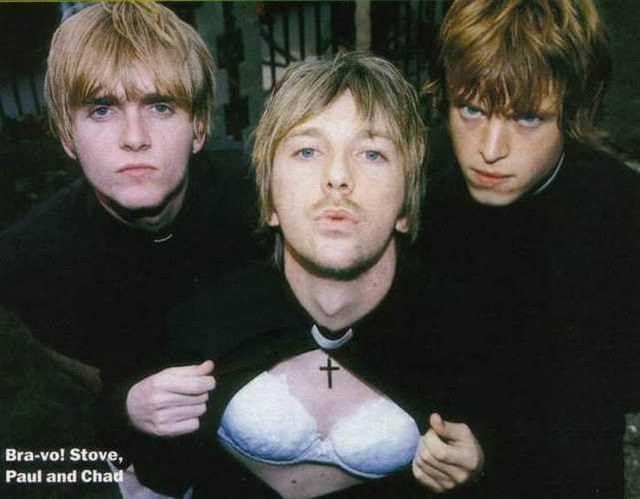
At the very least, calling a single Stripper Vicar should indicate that a band don't take themselves too seriously. WRONG. Frontman Paul Draper and, to a lesser extent, guitarist Chad (bassist Stove, who looked like our mate Owen Millard, was absent) gave the impression that venues like The Joiners and student papers like The Edge - and, by extension, your correspondent - were very much beneath them. To be fair, as I've admitted above, I wasn't too well prepared, but they were culpable in the impressions I'd made of them beforehand, and certainly could have displayed a little more humour. They only really got animated when talking about their favourite bands, citing Duran Duran and Faith No More as touchstones. This was clearly intended to separate them from the sort of Britpop/Lad-rock outfits with whom I'd lumped them together; bizarrely, it also functions as a prediction of the sonic make-up of the band Lostprophets, at the time of this interview still labouring in Pontypridd hardcore bands called things like Public Disturbance.

I didn't bother hanging around for the gig, due to a combination of my cold and the poor impression Paul Draper and Chad had left on me. Their next single, Wide Open Space, turned out to be their biggest tune, helped in part, I always thought, by the fact that the then-new Channel 4 soap Hollyoaks seemed to play it a lot, perhaps due to Mansun hailing from the show's Chester location. On its way to becoming a late-90s festival anthem (and the Mansun track which will habitually turn up on compilations called things like 101 Indie Hits or Britpop Anthems), it helped take their debut album Attack Of The Grey Lantern to No.1 in early 1997. I saw them at that year's Glastonbury - well, sort of. We'll get to that fiasco in due course.


The next significant thing which happened to me in '96 was getting a job. I'd already put in some time trying to sell double glazing, for the most part unsuccessfully, and done one shift for October Books running a stall selling books to English students at the university's posh new arts campus (I spent part of my earnings on a great AC/DC tribute double single featuring Shellac, Big'N, Brise-Glace and US Maple).


One of the numbers I cold called for the double glazing company turned out to be a high street music retail chain (they passed on the offer of new windows). Ironically, I was at the store a few weeks later having applied for a Christmas temp vacancy. The manager took the piss out of me for wearing a suit to the interview, but took me on to work in the stockroom. I was glad to have a job which I actually wanted to do, and figured it would give me some breathing space to work out what I actually wanted to do with my life. I mean, it was only a Christmas job, it wasn't like I was gonna be there forever.

Yeah, right...

NEXT TIME: punk shows at the Joiners, including my first STE festival... un-punk shows with Steph and my new workmates, including Eels and 3 Colours Red... Tribal Gathering... and the hell on earth that was Glastonbury 1997...


Monday, 21 May 2012

University, Year Three: The Last Two Terms

In January 1996, the sands of time were running low for my university career. Finals beckoned, and after that...what exactly? Thankfully, I had other things to make my mind off the uncertain future, notably interviewing a couple of people who'd be proper stars in the not-too-distant.


A curious side-effect of the back-slapping Britpop era was the way the media's spotlight shone not just on the obvious band-generating locations (Manchester, Liverpool, Camden), but increasingly on roads less travelled, including Wales, of all places. The Manic Street Preachers were sort-of precursors to this trend, which by the mid-'90s saw attention given both to quirkily psychedelic propositions Super Furry Animals and Gorky's Zygotic Mynci and trad alt-rock combos Feeder and Stereophonics. Falling somewhere between these two camps were a band called Catatonia, who first came to my attention courtesy of their single Bleed. A short, snappy burst of indie-pop, it was both addictively effervescent and rough round the edges in an endearingly scuffed-up way. It also had a fantastically abrupt ending.


By the time Catatonia played the Joiners in January '96, the music press had started taking an interest, but singer Cerys Matthews was still happy to spend half an hour chatting to a student in the front bar before the venue opened. She was great company, and although I don't have a copy of the interview to hand I know that we soon got off the subject of music to have something resembling a typical down-the-pub conversation, at one point covering that classic (but now lost forever) topic of how strange it was that we were only four years from the end of the millennium. What neither of us knew at the time was that those four years would see Catatonia release two No.1 albums and Cerys become a genuine, written-about-in-the-tabloids, music-press-sexiest-female-award-winning star.


OK, so neither of us knew, but after seeing the band play it was clearly a strong possibility. The set drew on the yet-to-be-released debut Way Beyond Blue and saw both catchy pop tunes like Sweet Catatonia and You've Got A Lot To Answer For and moodier pieces like Lost Cat and For Tinkerbell. Cerys possessed undoubted starpower and seemed very much her own person -  tougher than Britpop peers like Louise Wener and Sonya Madan, earthier than Bjork or PJ Harvey, boozier than any Riot Grrls and not obviously beholden to any of the classic female singer role models. (We wouldn't be talking about a male singer like this, would we? I'm afraid the latent gender imbalance in rock music and its attendant writing has seeped into my psyche). It would be a couple of years before Catatonia's big breakthrough, but they were definitely onto something.


The next show I went to spawned a more modest star; Sharon Mew, keyboard player/co-vocalist with Heave went on to join Elastica in their second incarnation, playing to significantly more people than bothered with the Papa Brittle/Heave show at the Joiners in March '96.

A few nights later, I was sat in the Joiners basement chatting to a bunch of thirty-something blokes who would have a worldwide smash hit single on their hands by autumn. The career trajectory of Baby Bird was a strange one: over something like 18 months, starting in July 1995, they released five limited edition full-length albums made up of home recordings made by mainman Stephen Jones. In Autumn '96, the full band would release a "debut" principally made up of slicker re-recordings of tracks from these releases, including the soon-to-be-ubiquitous You're Gorgeous.


I'd first heard Baby Bird on Mark Radcliffe's show on Radio One, when he'd played Hong Kong Blues and CFC off the debut lo-fi album I Was Born A Man. After this, we started getting review copies of the following albums at The Edge, and I began to rhapsodise about this strange, wilfully perverse and awkward songsmith, who appeared on his album covers having removed his face with a disposable razor (Bad Shave) and as a pregnant nude (Fatherhood). I wasn't alone; both the NME and Melody Maker fell hard for Baby Bird's early work, which resembled a perpetually pranskterish Pulp and could swing 360 degrees from one track to the next, from deliberately naff pop to seemingly sincere ballad, from megaphone-hollered noise sketch to end-of-the-pier comedy psychosis. My review of Bad Shave mentioned Sheep On Drugs, Portishead and Pet Shop Boys (as well as misquoting, rather brilliantly I thought, the Trashmen by suggesting that "everybody should have heard about the Bird") and concluded with the frankly unsavoury suggestion that, should "Steve James" (sic) become a star, he would almost certainly end up masturbating on live Saturday morning TV.


Just to clarify that point, he did (sort of) become a star, but he never pleasured himself on Live & Kicking.

Imminent fame always seemed that little bit less likely when spending time with a band in the fetid underchamber of the Joiners Arms, and it has to be said that Jones and his compadres did not look or act like a bunch of people with their hearts set on the charts. Highly sarcastic and self-deprecating men who were about the same age then that I am now, they resembled a down-at-heel Bad Seeds, sat there in their suits wondering when they were going to get shot of toilet venues and hapless student interrogators.

Several tunes off Bad Shave, including Bad Jazz and Shop Girl, had become running jokes between me and Matt Ross, my housemate frankly incredulous that both I and Mark Radcliffe liked Baby Bird. It was weird hearing the lo-fi tunes, possibly recorded in a bedroom and definitely listened to in one, translated to a conventional band format and performed, y'know, in front of people. But Jones proved to be a charismatically louche, if deadpan, frontman, and they aired a new song called - you guessed it - You're Gorgeous. It seems like hindsight talking when I say that it sounded like a hit, but it was certainly the tune which stuck in the mind most that night. I've got to say, the lyric "You took me to your rented motor car/And filmed me on the bonnet" immediately made it pretty clear that this wasn't the romantic piece which playlist compilers, ad agencies and wedding planners would later assume it to be.


I know what you're thinking - enough of this pop shit, let's hear about an underground hip hop/punk night, right? Good job my next assignment, just a few days later, was reviewing and interviewing King Prawn and Killa Instinct, then.

A tape of Killa Instinct's EP The Penultimate Sacrifice had made its way to The Edge and impressed me with its Gunshot-style UK hip hop sound and horror-based samples and lyrics. In person, Bandog and Geta were lovely, if slightly bemused that an indie kid student wanted to talk to them about hip hop. A year later, their next album would be shelved when their label went down, and the band would split, although it appears they've recently reformed.


King Prawn were a decidedly different proposition; hip hop was on their agenda, but not as much as punk and ska. Inevitably, comparisons to Dub War and Rage Against The Machine abounded, but they were more like a souped-up Specials, and their debut First Offence (on Welsh label Words Of Warning) went on to be a bit of a favourite of mine at the time. Pakistan-born bassist Babar Luck was a particular character, his mad eyes and bald head/big beard look making him the band's focal point and most recognisable member; he insisted that if I ever needed a place to kip in London I should get in touch and go and stay with his family, which wasn't, in my experience, a gesture which interviewees usually made. King Prawn would go on to be quite big in the UK ska punk scene, although in my opinion they never topped First Offence; vocalist Al Rumjen is now fronting Asian Dub Foundation, while Babar continues to make music under a number of guises.


The very next day, I was off to Portsmouth to catch up with Mega City Four. I'm pretty sure I interviewed them again, although I can't find any evidence of this. What I'm definite about, however, is that I went with a couple of girls I'd befriended from the year below me, called Debs and Linzi, who were the only people I've ever met who were hardcore Mega City Four fans. I have to admit that I rather fancied Debs, but if I was hoping to impress her by getting us all in to the show for free, it rather backfired, as this was one of the (many) instances in my life where a promised place on the guestlist has mysteriously failed to materialise.

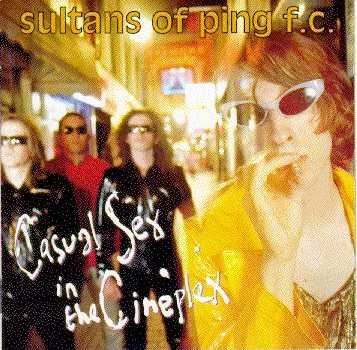
A few days later, and I was watching the Sultans Of Ping at the Joiners. This lot were mostly famous for Where's Me Jumper?, a novelty single which was one of the indiest records of 1992. Since then, they'd reinvented themselves as a PVC-clad rock'n'roll band, though in truth their tunes were still tinny, one-joke outings. Frontman Niall O'Flaherty was clearly having a ball acting like a massive cock, getting a roadie to light him a cigarette between songs and then hurling it, barely smoked and still lit, into the crowd as the next tune kicked in. At least, I think he was acting.


The next treat to draw me back to the Joiners was a double-header of Cable and Elevate. I decided that Elevate sounded more focused than they had done the previous year, with newer material taut and aimed straight at the gut, while comparing their frontman to Tim Roth and Jon Spencer.


Cable were one of the bands defying the dominant culture of Britpop and drawing influence from the indie rock scene across the pond. Perennial nearly-men, their closest brush with fame would come a year or so after this gig, when its use on a Sprite ad propelled their single Freeze The Atlantic to the dizzy heights of No.44 in the charts. They managed one last album in '99 before splitting; unusually, only the two people who'd drummed for them have done much of note since, with original sticksman Neil Cooper now in Therapy? and his replacement Richie Mills having done time in Sunna, The Lucky Nine and, er, MiLLS. Not entirely forgotten, a bunch of generally inferior bands contributed to a tribute album of Cable covers in 2006.


Prior to this Joiners appearance, I'd given Cable's re-released single Seventy a favourable review in The Edge. I can only imagine it was my suggestion that it sounded like Sea Monsters-era Wedding Present fronted by Tim out of Ash which inspired frontman Matt Bagguley to introduce the song by saying "This is not for the guy who reviewed us in The Edge". A long-forgotten acquaintance whispered in my ear that I should probably watch myself after the gig, as - in his opinion - Bagguley looked pretty hard. I couldn't see it myself - he was just a standard indie rock-looking guy, like Jonathan Donohue from Mercury Rev or somebody, but that year's Trainspotting had planted the Begbie-shaped seed that it's sometimes the small guys who are the real psychos. After the band's set, I decided to face up to things, possibly emboldened by a few pints, and approached Bagguley to tell him that it was me who'd written that review. He immediately made his excuses, telling me that he often struggled to think of things to say between songs and hadn't meant anything by it. I decided to let him off a good hiding.


Around the same time, I'd reviewed the single Straight Line by youthful post-hardcore types Tribute To Nothing and commented on one of the members' resemblance to little Billy Kennedy out of Neighbours (now a grown-up starring alongside Hugh Laurie in House). When I saw them at the Joiners, they didn't comment on it. Pretty good for nippers, though.

Time for something a little quieter, I think. My last review for The Edge as a student (I'd occasionally contribute after the best before date of my graduation) was of The High Llamas and Labradford at the Joiners, a venue singularly unsuited to the moments of grace and beauty at which these bands excelled. This gig was something of a quiet milestone, perhaps the first I'd attend which pointed in a different direction to the punk rock or more traditional indie shows I was frequenting, and as such a precursor to my ATP-flavoured future. I spoke favourably of Labradford, suggesting their "eerie soundscapes" could work as incidental music in Wim Wenders movies, although I also declared that their static performance meant they were a band better appreciated at home, late at night.


My fears about the Joiners as a suitable venue for the High Llamas seemed to ring true when the band's dual violin intro led to...nothing, as Sean O'Hagan found his mic dead and called a premature end to the song. However, their sparkly Beach Boys-with-a-dash-of-Stereolab tunes soon won out. Not sure about this video, mind.

And that was it. Spring 1996 marked the end of my university years, and, to be honest, I didn't have a bloody clue what to do next. At this point, I guess I'd be justified in saying TO BE CONTINUED...

Next time: love saves the day, Reading 1996 and my entry into the world of employment, possibly including another instance of my throwing up in Simon's car...

Monday, 19 March 2012

University, Year Three: Autumn Term

September 1995 found me on the editorial team of The Edge, a new music supplement to Southampton University's then nearly 60-year old paper Wessex News. The driving force behind The Edge was my fellow English student, Charmaine O'Reilly, and the end product was a curiously mixed bag. Charmaine's bag was folk (two of the first three cover stars were The Levellers and The Oyster Band), but I was given a free hand to write about whatever weird shit I wanted, and there was space for Britpop, hip hop and Christian Ott banging on about Loop Guru and Tribal Drift.


The Edge marked my return to interviewing bands, and for its first issue I shot the breeze with Smog (UK) (as mentioned in my Avail blog) and Headswim, who played The Joiners in late September. Incredibly, I got through both interview and live review without mentioning the word grunge; listening to them now, it strikes me that their first album Flood was pretty much evenly split between US grunge and UK prog influences. In person, the band were unfailingly polite, animated about their art, amused to be asked about their recent dates as unlikely support to Ice-T's Body Count and certain that wider influences would come through in their next album.


A band who might have been marginally more suitable for the Body Count tour were that night's support band. Even before the days of internet searches, fat B.A.B.E. was a truly awful name. I laid into them in print, dissing their lack of originality, synchronised headbanging and half-arsed cover of the Helmet/House Of Pain tune Just Another Victim, while pointing out that "Even the person in a fat B.A.B.E. T-shirt needs to go and get more to drink after their opening drummer." Music journalists are so cutting, aren't they? According to the band's MySpace, they lasted into the millennium, almost reaching infamy with a cover of Wannabe by the Spice Girls - until Simon Fuller threatened legal action and the single was pulled. I was hoping to find it on YouTube, but couldn't be bothered to wade through whatever else a search of their name might bring up...


Naturally, I gave Headswim a considerably more glowing review, praising new tune Evil Friend (which, as far as I know, was never released) and the band's "subtlety and depth behind the crashing chords and frenetic rhythms." As it turned out, their next album did reveal wider influences - released in 1998, it slotted into the scheme of post-Britpop melancholia, somewhere between Radiohead and Travis. These weren't quite the trip hop/prog rock sounds I'd have put money on three years earlier, but they did get in the Top 30 with the song Tourniquet.


From the second issue, The Edge began a brief incarnation as a stand-alone, 24-page A4 magazine. While Charmaine continued to push Celtic folk bands - The Dolmen, The Wolfetones - on an oblivious student body, I appeared to be catching bands I'd loved three years earlier, on their way down the slippery pole.

Exhibit A: Mega City Four. While never as big as their buddies Carter and the Neds, MC4 had once headlined the Astoria. In October 1995, severed from their old label and on the comeback trail, they were playing the Joiners. I interviewed guitarist Danny and drummer Chris in the grotty basement which served as a dressing room there. If the surroundings were insalubrious, the company was unpretentious, positive about their new label and forthcoming album. I'd see them again the following year, so I'll pick up their story then.


Exhibit B: Carter The Unstoppable Sex Machine. They hadn't fallen as far as the Megas, but had downsized from Portsmouth Guildhall to the Pyramids. Matt and I went to see them there, accompanied by a couple of younger contributors to The Edge who were interviewing the support bands. On the way over, one of these two hip young gunslingers proclaimed that he didn't need to travel, as he could just see the world on telly. This became an in-joke for me and Matt for some time, though it almost seems a prescient remark given the increasing numbers of us content to experience life through a computer screen...

My Carter interview remains, amusingly, the only time I've ever written a cover story for any publication. I don't remember my state of mind beforehand, but I think it's safe to suggest that I was more nervous than when interviewing, say, Headswim. These were people whose lyrics I'd memorised, and whose gigs had at one point seemed to me the absolute apex of live entertainment. I'd recently reviewed their Straw Donkey singles compilation, remarking that Carter longsleeve T-shirts must surely have been hanging, unloved, at the back of wardrobes across the country, so completely had their allure to indie kids waned. This was a slight exaggeration, of course; the Pyramids might not be Brixton Academy, but they were hardly back on the toilet circuit. And, regardless of their present standing, I was about to meet two men whose music had accompanied a significant chunk of my teenage years.


They finished another interview and Fruitbat appeared, asking, "Where are the next victims?" Of course, they turned out to be friendly, likable geezers, and the conversation was certainly the widest-ranging I'd yet had with a band. Topics varied from the band Shampoo to the trial of OJ Simpson, while the pair proved to possess a wry wit, even when discussing grim topics (Jimbob, on playing gigs in Bosnia: "There are places we've played before that have been completely wiped off the map, so that's really sad. If you imagine playing Portsmouth, and then two weeks later it's flat to the ground..." Fruitbat: "Some people would say that's a good thing." Jimbob: "But not us, obviously.") My favourite answer at the time came when, in the wake of recent comments by Noel Gallagher that he hoped Damon Albarn and Alex James would "catch AIDS and die", I asked them if there were any musicians they'd like to catch a nasty disease (terrible question, I know). After mulling it over and maintaining there was nobody in the musical world he'd wish illness upon, Jimbob decided that he'd quite like Jim Davidson to get rickets.

The show itself was a reminder of why I'd dug them in the first place, but it was impossible to enjoy it in the way I'd have done across town at the Guildhall just a few years earlier. Carter's music provided a snapshot of a time of my life that was now done, and unlike some of the audience, I couldn't keep on pogoing to Sherrif Fatman like it was still 1992 or whatever. I guess this was my first experience of coming back to a band - it was only at this point that I was old enough for it to happen - and I couldn't get as excited by this as by going to see some exciting new outfit play a tiny venue. These days, I'm quite used to seeing bands I've been into for upwards of a decade, and have different expectations of them (not that that means it's never a let-down), but back then the feeling of being out of time proved a barrier to proper enjoyment.

The ever-simmering Portsmouth/Southampton feud had never particularly impacted on me before - it was hardly the east coast/west coast hip hop beef in terms of glamour and excitement- but Matt and I discovered that night that some people took it seriously enough to stitch us up proper. The other guys from The Edge had already split, probably seeing Carter USM as music for square grandads like us, and Matt and I didn't have long to get the last train, so we hailed a cab. Naively, we mentioned in conversation that we were going back to Southampton, and were rewarded for our honesty by being dropped off at Portsmouth Harbour - not the train station we'd asked for, and indeed one from which the last train had already departed. I maintain that this was not an honest mistake. Luckily, we managed to get another taxi to the right station in time. Bloody skates.


A week later, I was back watching well-established favourites, albeit ones who hadn't yet slipped from favour, when Therapy? played Southampton Guildhall. Since moving to the city, I'd given the bigger Guildhall shows a miss in favour of the Joiners, but the pull of Therapy? proved too much to resist. Southend hardcore band Understand opened the show, and while I was pleased to see such a heavy band getting a shot on a big tour, they seemed a little lost in a room that size. They would, however, be back in town within a month to play the Joiners, so we'll come back to them in due course.

The other support were Wonderstuff/Senseless Things/Eat supergoup Vent (later Vent 414). I'm assuming that many people reading this will not be overly familiar with the work of this particular power trio, which probably demonstrates how little anyone was bothered about a Wonderstuff/Senseless Things/Eat supergoup in 1995. I quite enjoyed them, though.


Therapy? are a classic example of a band at the top of their game who chose to follow their own path, as opposed to the one which their listeners might have anticipated. The album they were touring, Infernal Love, was a very different beast to its predecessor. In place of Troublegum's compendium of three minute pop metal bangers, Infernal Love was a partially successful attempt to go art rock, with several much longer songs, more airtime given to acoustic guitars and cellos, and cinematic interludes from David Holmes. It kinda worked, but for an album which was evidently sequenced to be a complete listening experience, it was actually harder to listen to all the way through than Troublegum. This had a knock on effect on the live show; it's reasonable that a band should feel sufficiently confident in and proud of their newer material that they want to air it, but the preponderance of Infernal Love tunes made the first half of their set hard to love. That said, an encore of Teethgrinder, Potato Junkie and Screamager sent everybody home with a song in their hearts.


You wait ages to go to a gig at the Guildhall, then two turn up within a week. For this reason, I can't quite remember whether this guy Alistair came with us to Therapy? or The Wildhearts. I also don't remember how we met him, but I think it might have been through Alex Furr. Alistair lived some distance from Southampton and had arranged to stay over at the house I now shared with Matt (alongside Kev, Nigel, Rebecca and Jane). Prior to the gig, Alistair announced his intention to "drink until I throw up." Matt and I exchanged glances and began working out who was gonna clear up. Luckily, the guy was all talk.


As, in a way, were the Wildhearts, as this was the first of their tours to be billed as their last, if you see what I mean. The story was that frustrations with label East/West had left the band ready to split, but in the end they were released from their contract and allowed to go on their merry way (it's quite likely that when East/West heard the eventual next Wildhearts album, bizarro distortothon Endless Nameless, they breathed a collective sigh of relief that it wasn't their job to promote the bugger)

Apes, Pigs And Spacemen were the main support, and at the time I was quite taken by their melodic, grungy sound. A year or two back, Anna was chucking out a load of tapes, and amongst the ones I rescued were the first two Apes, Pigs And Spacemen albums (I think she also saw them as a support band somewhere along the way). I recently listened to their first album again and, to be honest, it was hard work.


The Wildhearts set began, kind of, with Ginger strolling on wearing shades and a backwards leather jacket(?) to introduce a band called The Screaming Bastards, who turned out to be a trio of roadies covering Highway To Hell. When the Wildhearts did emerge, complete with new guitarist Jef Streatfield, they played a stellar set drawn mainly from Earth Vs The Wildhearts and PHUQ. The encore was a generous seven songs, including the spectacularly silly Geordie In Wonderland, the evergreen 29 X The Pain and the early classic Nothing Ever Changes But The Shoes.


A week or so later, remembering to watch what information I gave to taxi drivers, I was back in Portsmouth. Sunday night wasn't kind in terms of turnout, which was rather a shame given the greatness of the Young Gods. Support band Papa Brittle gave it their all, which in this case meant a mash-up of hip hop and industrial somewhere between Pop Will Eat Itself, Dub War, Senser and Consolidated. They'd never manage to garner as much acclaim as that lot, though, and would eventually split when dreadheaded vocalist Lloyd Sparks went to join kindred spirits Fun Da Mental. The sparse attendance and a bad head cold couldn't stop me being blown away by the Young Gods, however. At this point, they were touring the album Only Heaven, which in retrospect would mark the end of the band's early purple patch. The set accordingly mixed then-new tunes like Kissing The Sun and Lointaine with the old gold of Longue Route and Skinflowers, and it was outstanding.

The other side of my 21st birthday, I was back on familiar turf on the 23rd November. The fantastically-named Scum Of Toytown played the Joiners alongside Smog (UK) and space rockers Iowaska. I guess Scum Of Toytown were something of a throwback, albeit only to a couple of years earlier; Chumbawamba, Back To The Planet and Citizen Fish were bands I compared them to at the time, while somehow avoiding the word crusty.


Into December, and the last two gigs of 1995. Drugstore returned to the Joiners on the 9th of December, and I was there waiting for them with a tape recorder. Sometime before or after watching smouldering support band Linoleum, I caught up with Isabel, Daron and Mike in the Joiners cellar. They talked about liking the town and venue, being involved in all aspects of their band, Britpop, parachute jumps and... Thom Yorke. Drugstore had recently supported Radiohead and rumours had begun to circulate that some sort of a duet was on the cards. Isabel maintained, "I can't imagine two (such) moody people getting together. We'd probably end up slashing our wrists!" That wasn't how it went down, but we'll come back to that when we get to 1998...

The Drugstore show as, predictably, awesome, and I have to admit that songs like Superglider and their cover of Radiohead's Black Star brought a little moistness to my eyes. Along with the Avail shows, this was probably the best gig I ever went to at the Joiners.


Yes, even better than Travis Cut, Goober Patrol, Monkhouse and Stu Dent & The Wankers at the STE's Christmas show on December 16th. Stu Dent & The Wankers were a bunch of locals, fronted by Smog (UK)'s Stu, playing mangled, drunken punk covers, which proved a lot better than the equally drunk but slightly belligerent sound of Monkhouse. Goober Patrol provided a mood-enhancer with their conventional but fun melodi-core, while Harlow's Travis Cut closed the evening with a cracking set of gritty pop punk. Reviewing the evening for The Edge, I suggested that the last two bands, along with Hooton 3 Car, Broccoli, China Drum, Chopper and Skimmer, would make 1996 a golden year for homegrown melodic punk.


Was I right? Well, looking at my list of the first few shows I went to in the 9-6, I can't see any of those names, but I did interview two characters who'd end up major chart stars...

Thursday, 8 March 2012

Techno

So, in the early stages of this blog I briefly mentioned being introduced to house music by Steve 'Silk' Hurley, way back in '87 when he demanded that the world Jack its Body and was rewarded with the top spot in the UK singles chart. While my attention from this point was principally diverted in the direction of guitar music, I always kept an eye on dancier developments in the charts - sample-heavy hits from M/A/R/R/S, Bomb The Bass and Cold Cut, high camp disco house from S'Xpress, the ill-fated hip hop/house crossover (a genre mash which finally broke in modern times with the godawful Euro house-influenced likes of Black Eyed Peas), the soulful sound of Inner City and, of course, acid house.


In the UK at least, acid house changed everything. It represented a punk-style year zero for dance music in the UK, influencing everything that followed, particularly rave, jungle and the bleeps of early Warp recordings. You could still hear this a year or so afterwards, when I started listening to John Peel, a keen supporter of both Warp and techno, particularly if it came from Belgium.


The producers of most of the above were faceless types, but the early '90s saw the beginnings of dance acts starting to behave like rock bands. Chief among these, of course, were The Prodigy, though their first hit Charly hardly seemed the work of people with one eye on headlining Donington in 2012. If this introductory shot seemed destined to be remembered merely for being the trailblazer for Toytown Techno (see also: Sesame's Treet by Smart E's and A Trip To Trumpton by Urban Hype, or, preferably, don't), the following tracks released from the band's Experience album revealed them to be the first dance act to deserve the epithet "singles band", all different, all tremendously exciting. When they returned in '94 with the harder Music For The Jilted Generation, they found themselves playing rock festivals and getting spun on alternative dancefloors, setting them on the road to Kerrang! covers and leading us, ultimately, to Chase And flipping Status.

If The Prodge, as I fear we must call them, seemed to actively court rockist attention, a more modest outfit punched above their weight without seeming to try as hard. The influence of Orbital, and particularly their second album, in drawing metallers and indie kids into dance music's, er, orbit, is something I've come across time and time again when speaking to contemporaries. Perhaps this was because, while ver Prodge came across as cheeky, E-fuelled artful dodgers who drew cross-genre appreciation based on the sheer energy rush they harnessed, Orbital were studious fellows who could draw on a wide-ranging musical background, with punk rock, early industrial, classical music and electro all feeding into a sound so lush they had to call one of their songs Lush 3, then split it in two in case anyone was overwhelmed by its sheer lushness. They started pretty low-key, as seen in a Top Of The Pops outing for the evergreen Chime which looks excruciating for everybody involved, but gradually built an image based partly on their very anonymity, and partly on the tactical wearing of head-torches.

Another single, Satan, made more explicit their links to rock; it opened with a sample of Jello Biafra speaking, lifted from a Butthole Surfers record, and it was called Satan, ferchrissakes, making it like catnip for easily-swayed metalheads. Hell, Kirk Hammett even once contributed to a version, for the soundtrack to the poorly-received movie Spawn, a work which also featured such irresistible pairings as Silverchair & Vitro and Filter & The Crystal Method.


It's often said of metal bands that their third albums are key, a cliche backed up by Master Of Puppets, The Number Of The Beast and Reign In Blood. In dance music, maybe it's the second album - as with Music For The Jilted Generation, Orbital's second (untitled, but brown in hue) record was the one which saw their potential delivered several times over. Along with the afore-mentioned Lush 3-1 and Lush 3-2, it featured their career high watermark Halcyon & On & On, other deathless classics like Planet Of The Shapes and Impact (The Earth Is Burning), and slightly annoying intro/outro vocal loops.


This was the arsenal with which they battered Glastonbury 1994, a performance which swiftly went down in the annals of Worthy Farm as one of the all-time great performances. I wasn't there, but picked up the album that summer and took it on holiday to Scotland with Sophie, driving around in her brother's car alternating between Orbital's second album and punk/new wave compilation The Sound Of The Suburbs. It was while soaking in Scottish scenery to the sound of two electronic composers from Sevenoaks that I realised what it is about Orbital - they're brilliant at moments, points in their tunes where things shift gears or move into new sections, conjuring emotion from a music still derided as being cold and mechanical from non-converts. It's this, along with a growing skill in background visuals, which made them perfect for Glastonbury, with their second album the first example of stadium-ready techno.

It's appropriate that I should mention Sophie above as we catch up with the timeline of this blog, but anyone with no interest in my private life should skip a couple of paragraphs - we'll get back to the music by then, honest.

Anyway, at the end of '94, Sophie decided to spend the second semester of the academic year on an exchange trip to Hofstra University on Long Island. I was pretty unchuffed - Sophie was my first proper girlfriend, not counting ten days going out with Lucy Howard in the Sixth Form, and now she was going to spend several months on the other side of an ocean? Nonetheless, we decided to maintain a long distance relationship, which in the days before widespread e-mail, let alone Skype, meant air mail letters and the occasional phone call, conducted on my side by chucking coins into a payphone to save the shared phone bill from Transatlantic phone charges.

One of the least pleasant sides of my personality is a jealous streak (it's been under control for a while, but subsequent girlfriends can vouch that it took a while). So while Sophie quite rightly got on with making the most of her time at Hofstra, I hated hearing about new friends and going clubbing in New York. Lucy made plans to go see her, but I couldn't afford to, and absence only made my heart get more resentful of the situation. The last straw, stupid as this is gonna sound, was when Sophie sent me a photo of her new, short haircut. Now, as anyone will tell you (including my mum, every time she's tried to convince me to get a haircut in the last twenty years), HAIR GROWS BACK. But in my self-appointed role of wronged boyfriend, I seethed at the idea that my girlfriend had shorn the hair I loved, and was, quite honestly, an absolute shit about it. This unchivalrous behaviour will leave absolutely nobody surprised that one evening in the spring of 1995, I walked back from that payphone a single man.

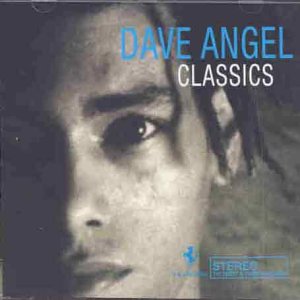
Apart from prepping you for Sophie's reappearance later on, it feels that all that was necessary to explain as the background to the night I spent at a house party with Dave Angel.

Now, by '95, dance music was the most highly visible genre in town. By that I mean that the shared houses of Studentville (Portswood and Highfield, mainly) were decorated with front window posters for everything from house club Squeeze to drum'n'bass nights (I remember it used to seem like LTJ Bukem was playing all the time, though that might have been slightly later on). This doesn't really explain how the following events came to pass, though.

The whole episode has a hazy, dreamlike quality, perhaps in part due to my state of inebriation. It's not the sort of thing I can check online, and I've long since lost touch with my cohort in this, Gail Holliman. The two of us ended up getting invited to this house party - I can only imagine we'd have been at The Dungeon or Nexus, alternative clubs hardly frequented by techno heads, although I guess we could have just been drinking in The Hobbit. The house we found ourselves in was a massive place near the Common - I remember a large, open plan room taking up most of the ground floor, with some sort of neo-classical pillars and arches dotted around. And renowned deep techno DJ Dave Angel playing records.


Really, the only thing which convinces me that this wasn't just a peculiarly vivid and memorable dream is that I can remember walking home with Gail in the morning light, and that the occasion impressed me sufficiently at the time to buy Dave Angel's debut full-length, Tales Of The Unexpected (hmm, spooky), and discover that it was actually a bit too smooth for my tastes.


1995 was, conveniently enough for the theme of this chapter, the first year that Glastonbury got itself a Dance Tent, largely down to that breakthrough Orbital set of the year before. It was also the only time I've been to a festival with just one (non-romantically involved) companion, in this instance my friend and notable Queen fanatic Matt Ross. Perhaps the most remarkable thing about the weekend, however, was the weather; this would be the only Glastonbury I ever attended which offered blazing sunshine throughout the weekend. When I got home and looked in the mirror for the first time in four or five days, I looked like a burns victim. Select magazine printed a shot of the crowd with a caption taken from a weather report advising people not to spend more than twenty minutes in the sun...

The weekend was divided between the (largely Britpop) bands Matt and I checked out together, and the times I wandered off to experience something my techno-phobic companion wouldn't like. Pyramid Stage appearances from Senser and Ozric Tentacles on the Friday proved that the crusty era was still in full swing in the Pilton area, although the former debuted new material which seemed markedly more metal, in a Sabbath-meets-Tool kind of way; those in favour of this new direction would soon split to form Lodestar, ending the period where Senser were likely to be main stage material. Later in the weekend, I'd see short singer Heitham nearly get knocked over in the crowd by someone turning around while wearing a huge rucksack and accidentally swinging it into the little guy. Poor Heitham.

Much of our time was spent in front of the NME stage. Supergrass were perfect for a sunny Summer's day; Skunk Anansie arrived late and only got to play a few songs (I think their debut album Paranoid &Sunburnt was named after their Glasto experience); Ash played a great set and I punched a cup of water in the air just as the drums of Kung Fu kicked in; Matt crowdsurfed to Sleeper and worried that his mum would see it on the telly, afraid that the last she'd ever see of her son was him disappearing below the surface of people's heads; Drugstore continued their bid to be my favourite band.

On a more techno-themed tip, albeit still in the crusty/dub margins, Dreadzone and Zion Train both put in great sets on the NME Stage (the former's Zion Youth seemed to be getting played all over the site all weekend), and on Friday evening Matt and I went our separate ways in the battle of the Liams; he went with Oasis on the Pyramid Stage, while I headed back to the NME Stage for an imperious headline set from The Prodigy (I still reckon I made the best choice there). I wandered into the Dance Tent, taken over for a whole day by the Massive Attack Sound System, but I think I chose a rather mellow moment, as they were playing Dawn Penn's You Don't Love Me (No No No) to a mere handful of people.


The best moments of the weekend all piled up on Saturday night's Pyramid Stage line-up. First was PJ Harvey, playing what might be her most famous ever set. This was the first time I'd seen her since she ditched the original three-piece line-up for an expanded well of contributors for the To Bring You My Love album. It was odd seeing her without a guitar, but most striking was the sheer flamboyance she revealed that night, prowling the stage in her notorious pink catsuit. It was hard to square with the shy girl I'd met in the street in Yeovil just three years earlier. It was also bloody brilliant.


Orbital's reward for their victory the previous year was a promotion to the pre-headliner set on the Pyramid Stage, a clear sign that dance music was now recognised as a crucial part of the festival's DNA. I managed to convince Matt to check it out, and I think he begrudgingly enjoyed himself, amused by the way the crowd cheered those moments I mentioned earlier, and by a guy near us who kept shouting "Cheers, Orbital". A great moment occurred when they played Satan and an image of John Major flashed up on their screens, with a massive X quickly scrawled across his face. In the real world, he'd just announced that he was standing down as leader of the Tory party (as it turned out, he just got re-elected in the subsequent leadership vote). Cheers, Orbital.

The biggest news, though, was Pulp stepping in as headliners after the Stone Roses were forced to cancel. Despite having been around for the best part of twenty years, and reaping critical acclaim with 1994's His'N'Hers, for many people it was only recent No.2 hit Common People which justified such a lofty placing for the Sheffield outsiders. In a sense, though, this freed them from having to play a Greatest Hits set - they'd only had three Top 40 singles at this point - and instead made them a rarity at any festival, a main stage headliner whose set is as much about the future as a celebration of the past. I remember the debut airing of Sorted For E's And Wizz (a rare example of an indie band influenced by the rave scene, albeit lyrically rather than musically) being a particular highlight, and a speech Jarvis gave about how, as we were in the middle of 1995, which was the middle year of the 90s, we were therefore right in the middle of the whole decade; even at the time I worked out that wasn't quite right, but it still made the hairs on the back of your neck stand up. Speaking of the back of my neck, it was currently helping to hold up a young lady who asked to sit on my shoulders so she could get a better view. I have never, ever done this on any other occasion, but the spirit of both festival and band made it feel like the right thing to do under the circumstances. Also, quite clearly, I was hoping to get laid, but after they'd finished she thanked me and disappeared into the night.

Most of my other memories from Glastonbury '95 involve downright silliness, like when Matt bought us hash cakes which were almost certainly pure, uncut Mr Kipling. He suggested afterwards that we'd have had more effect from lying down in the sun, then standing up quickly. One night, when faced with the usual barrage of kids shouting "Bollocks!" (does this still happen at festivals nowadays?), Matt vented his opinion of one of Sunday's Pyramid Stage performers by shouting "Simple Minds" instead. Speaking of night time shouting, we also yelled "HAAAAAYWOOOOIRE!", a cry beloved of fans of veteran Southampton anarcho punk mob Haywire (enunciated in a West Country accent, natch, and also to be heard between songs on a Napalm Death live bootleg from Salisbury), and were gratified that, from some distant corner of the field in which we were camped, someone yelled it back to us.

Spending the summer at home in Somerset, there was very little opportunity for further live excitement. Unlikely as it sounds, respite from this came from an invitation to visit Sophie, now back from the US, in the West Midlands. Informed by her experiences in New York, she was now well into the club scene and asked me and Lucy to go to Atomic Jam, a techno night in Birmingham. Looking at it now, I think we might have attended the first night of what went on to be a long-running Midlands institution. As far as I can remember, Richie Hawtin, Bandulu and my old mucker Dave Angel all played, but I spent most of my time in a side room playing the kind of hip hop-influenced stuff which never quite got a name (Amyl House? Thought not.), but would shortly mutate into Big Beat.

As an aside, Atomic Jam reminds me that I've forgotten a show which should have been in the last couple of blogs. At an undocumented date in late '94 or early '95, I went to see Huevos Rancheros at The Joiners. These guys played surf rock, as in Man... Or Astroman? or, in its most widely-known incarnation, Dick Dale's Misirlou, AKA the twangy guitar tune from Pulp Fiction. I was one of three people dancing that night, which was most certainly not the case at Atomic Jam. The reason my memory has been belatedly jogged is because I chose to wear my Huevos Rancheros shirt that night, with a cartoon chef on the front and the slogan "A Tasty Change From Potatoes!" on the back. Improbably, while I was taking a moment to chill on some stairs, a guy struck up a conversation with me about how much he liked Huevos Rancheros. I thought, initially, he might have been talking about the actual dish (fried eggs and chilli sauce on corn tortillas), but it turned out he'd seen them on the same tour as me.

There is a postscript to this tale; the shirt was so sweat-sodden when I returned home to Somerset the next day that my mum left it to soak with some cleaning products. Unfortunately, she then forgot about it for a few days, and when it eventually re-emerged, it looked like it had been subjected to a bad tie dye job. Maybe it was revenge for the fact that my first ever comedown made it quite difficult to eat the roast dinner she'd prepared for my return. Defiantly, I carried on wearing the shirt for years, though it hasn't survived the T-shirt culls which have happened the last couple of times I moved house.


Summer 1995 ended in a field outside Frome, the Somerset town which gave the world Jenson Button. I doubt the then-fifteen-year old future Formula One champion ventured down to the One World festival in 1995, unless he went through a mid-teen crusty phase. Frome (pronounced to rhyme with BOOM!) is in the heartland of the West Country crusty/free festival/traveller scene, and this festival had a classic mid-'90s line-up, including Zion Train, Revolutionary Dub Warriors and a double whammy of Ozric Tentacles and Eat Static. It was a lovely, sunny day, with perhaps more of a family atmosphere than your average festival of the time. There were the usual festival "characters" - one guy was dressed as an eight-foot Predator - and also a winning sense of amateurishness - a light breeze ensured that for much of the day, the smoke machine seemed to be directed towards the merch stand rather than the stage. Darkness fell for the last two sets, allowing full use of the Fruit Salad Lightshow for interwoven outfits the Ozrics and Eat Static. This area was their stomping ground, and the type of festival their natural habitat, so both bands killed it, but the latter stood out more for me, partly because I'd never seen them before but mostly because a bit of manic techno was just what was called for after a day of mellow music. For the first time, there was a little bit of an edge to proceedings, and not just because the guy next to me started shouting - enthusiastically, like it was a compliment - "Eat Static! Eat shit!"

Cheers, Orbital.